
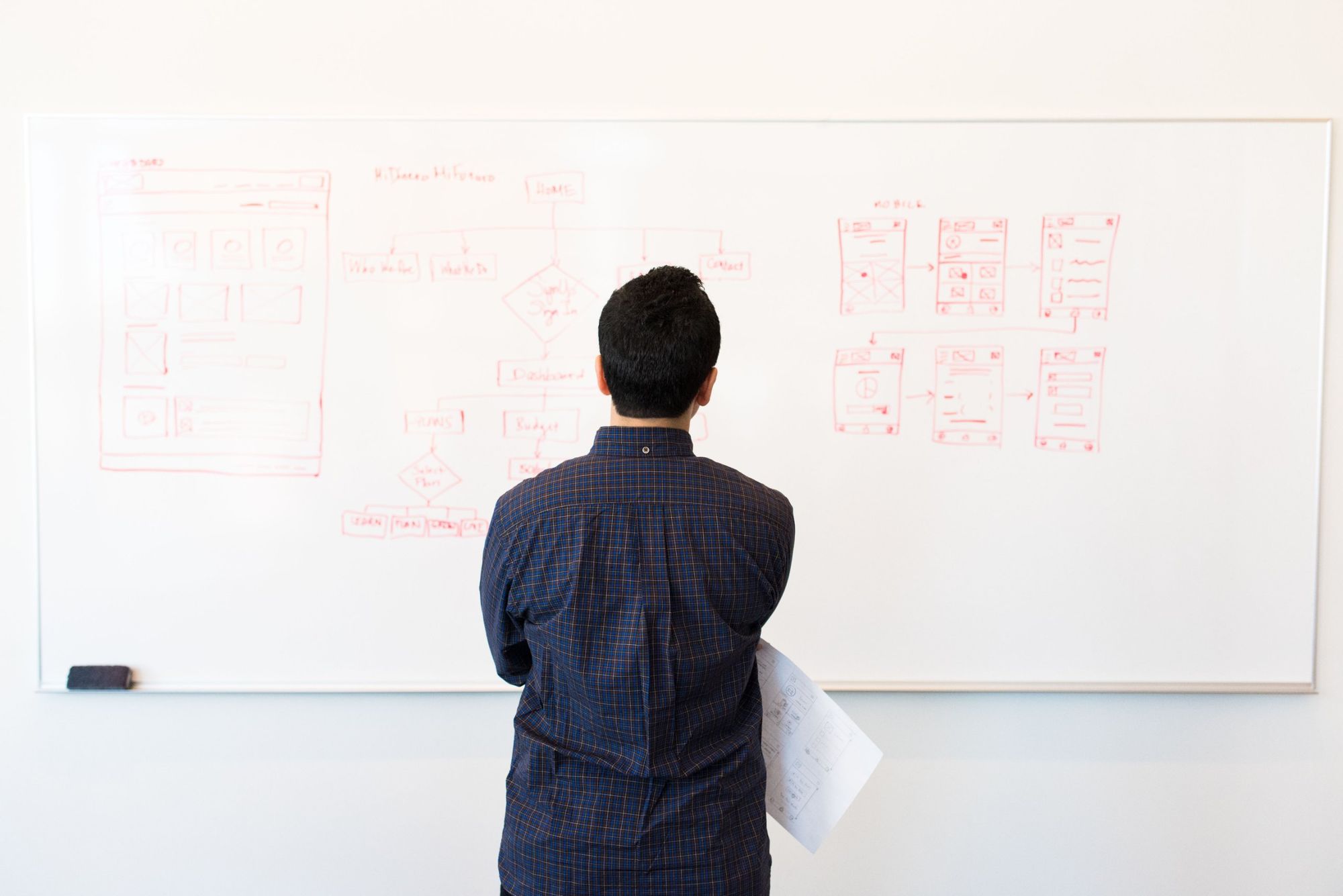

Most executives have sat through a planning session that produced a handsome binder nobody opened again. A good process does the opposite. It produces a small number of decisions the whole leadership team can repeat from memory and act on by Monday. Here is what a sound process looks like from the inside.
Start with an honest assessment, not a brainstorm
Before anyone debates where the company is going, the team needs a shared, unflinching view of where it stands today. That means looking hard at financial performance, customer and market data, competitive position, and internal capabilities. The goal is agreement on the facts. Half the disagreements in planning rooms are really disagreements about reality, and they tend to evaporate once the data is on the table.
Set a direction people can repeat
Strategy is a set of choices about where to compete and how to win. The output should be short enough that a frontline manager can explain it in an elevator. If your strategy needs forty slides, you have a report, not a strategy.
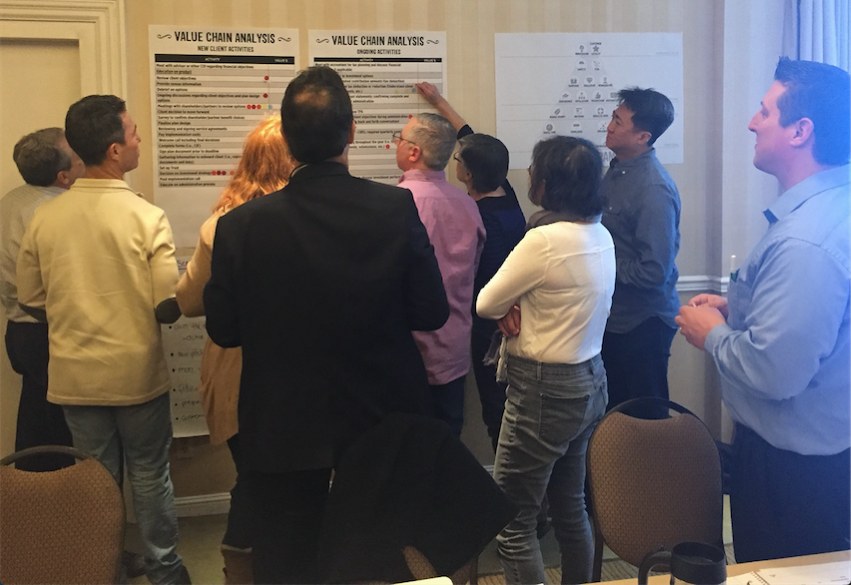
Translate direction into a handful of priorities
A plan with twenty initiatives has no priorities. The leadership teams that execute well pick three to five major initiatives for the year, assign a single accountable owner to each, and attach measurable outcomes. Everything else waits its turn.
Build the cadence that keeps it alive
The plan becomes a living document only if you treat it like one. That means a quarterly rhythm to review progress, adjust, and hold owners accountable. Skip the cadence and even a brilliant plan drifts back into the day to day within sixty days.
Case in point
We built the strategic plan for a financial services firm and served on its board through the entire arc. The plan took the company from a single service into three segments across three markets, and it funded the technology, capability building, and employer-brand investments that made the growth hold. Revenue climbed from $25 million to $450 million, headcount reached 4,000, and the company exited successfully. That is what a planning process looks like when it runs as a system year after year instead of as an annual event.
How Optimize helps
This is the core of what we do. We facilitate the full process, from the assessment through the priorities to the quarterly cadence, so your leadership team leaves with decisions it owns rather than a binder it forgets.
Bottom line
A strategic plan is not an event. It is a decision-making system you run all year. Done well, it moves a leadership team from reacting to the week to steering the business.